Tooth pain can make it difficult to eat, sleep, concentrate, and go about your everyday life. When the inside of a tooth becomes infected or badly damaged, a root canal may be recommended to remove the infection, relieve discomfort, and help save the natural tooth.
Knowing what to expect before, during, and after the procedure can make the experience feel much less stressful. This guide explains how a root canal treatment works, how long it may take, whether it hurts, what to avoid afterwards, and what recovery may look like until the tooth is fully restored.
What Happens Before a Root Canal?
Before beginning a root canal, your dentist will carefully examine the affected tooth and review your symptoms. This preparation helps confirm the source of the problem and allows for treatment to be planned safely and accurately.
Dental X-Rays
Your dentist will usually take X-rays of the tooth before the procedure. These images help show the shape and number of the tooth’s roots, the location of the infection, and whether the surrounding bone has been affected. X-rays also help your dentist identify any concerns that may make the treatment more complex or any other underlying issues that may need to be addressed.

Antibiotics, if Needed
Antibiotics are not required before every root canal. Because the procedure removes infected tissue from inside the tooth, treating the tooth itself is usually the most important step.
Your dentist may prescribe antibiotics if the infection has spread beyond the tooth, has caused significant swelling, or is accompanied by symptoms such as a fever. Always take antibiotics exactly as prescribed by your dentist, and inform them of any medications, allergies, or health conditions beforehand.
Local Anesthesia & Sedation Options
Before the root canal begins, a local anesthetic is used to numb the tooth and surrounding area. Most patients remain awake during the procedure, but you should not feel any sharp pain. You may notice pressure, movement, or vibration as your dentist works.
Your dentist will check that the area is fully numb before starting. If you feel nervous or would prefer to be more relaxed or asleep during treatment, let the dental team know before your appointment. Depending on the clinic and your health needs, sedation options may be available to help you feel more comfortable.
There is no need to feel embarrassed about your dental anxiety. Your dental team is there to support you, answer questions, and make the experience as calm and comfortable as possible.
What Happens During the Root Canal Procedure?
Once your tooth and surrounding area are completely numb, your dentist will begin removing the infection and preparing the tooth for repair. Although the procedure involves several steps, you should not feel pain during treatment.
Creating an Opening in the Tooth
Your dentist will create a small opening in the top of the tooth to reach the pulp chamber. The pulp is the soft tissue inside the tooth that contains nerves and blood vessels.
Removing the Infected Pulp
Through the small opening, your dentist will carefully remove the infected and damaged pulp. This step helps to eliminate the source of infection and relieves any pressure or pain it may have been causing.
Cleaning and Shaping the Root Canal
Once the pulp has been removed, the inside of the tooth and its root canals are cleaned and disinfected. This step helps remove bacteria and any remaining tissue from areas that are too small to see without specialized dental equipment.
The root canals are then gently shaped so they can be filled. This creates a smooth, clean space inside the tooth that helps ensure that the filling material reaches the entire length of the canal.

Filling and Sealing the Canal
After the canals have been cleaned and shaped, they are filled with a rubber-like dental material. The tooth is sealed to help prevent bacteria from entering again.
Depending on your treatment plan, your dentist may place a temporary filling at the end of the appointment that will protect the tooth until the final restoration can be completed.
Restoring the Tooth
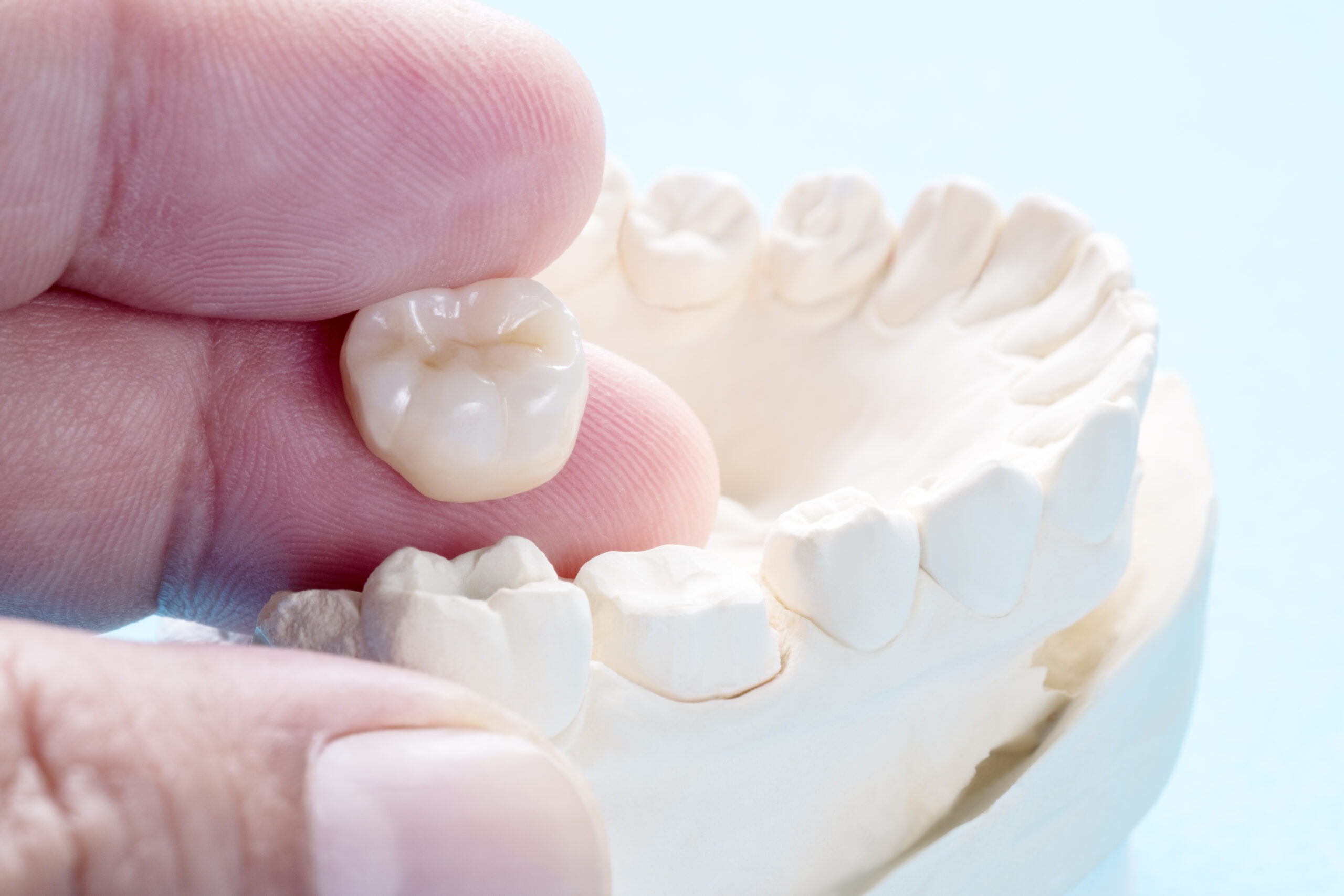
A tooth can become weaker after root canal treatment because the infected tissue has been removed and the tooth may have already lost some of its structure. After the area has had time to settle, your dentist will usually restore the tooth with a permanent filling or dental crown.
A crown will help protect the treated tooth, restore its strength, and allow you to bite and chew more comfortably. Your dentist will let you know when the final restoration should be placed and how to care for the tooth.
How Long Does a Root Canal Take?
The length of a root canal appointment will vary depending on factors such as the severity of the infection, how much damage needs to be removed, and which tooth is being treated.
For example, a front tooth may take around 45-60 minutes because these teeth have single canals, which makes them a fast and easy procedure. Premolars and molars may take 60-90 minutes or longer because they often have multiple canals that need to be carefully cleaned, shaped, and filled.
If the tooth is severely infected, your dentist may apply medication and require you to return in 1-2 weeks for a second appointment to finish the root canal. A root canal also leaves the tooth fragile, so a permanent crown is usually necessary. This generally requires a separate 30 to 60 minute appointment a week or two later.
Is a Root Canal Painless?
A root canal sounds scary, but know that your dentist will use local anesthesia to fully numb the tooth and surrounding area before the procedure begins to ensure it is a painless procedure. Most patients remain comfortable during the procedure, although you may still feel some pressure and vibration as the tooth is being treated.
If you feel any sharp pain or discomfort, let your dentist know right away. They can pause the procedure and provide additional numbing if needed.
Once the anesthesia wears off, the tooth and surrounding area may feel tender or sensitive for a few days, especially if there was a huge infection before treatment. This discomfort is temporary and should gradually improve as the area heals.
What Not To Eat After a Root Canal
Avoid eating until the numbness has fully worn off, as you could accidentally bite your cheek, lip, or tongue. Once you can eat comfortably, try not to chew directly on the treated tooth, especially if it has not yet had its permanent crown or filling.
You should also avoid hard, sticky, or crunchy foods such as ice, hard candy, nuts, caramel, and gum. These foods may damage the temporary restoration or place too much pressure on the tooth.
Do not skip your follow-up appointment. The final restoration helps protect the tooth and restore its strength, so it’s important to have it placed within the timeframe recommended by your dentist.
Root Canal Recovery
After the procedure, the treated tooth may feel different for a short period of time. You may notice some tenderness when chewing or a feeling that the tooth is more sensitive than usual. The surrounding jaw may also feel tired or sore, especially after a longer appointment.
During the first few days, you may naturally favor the other side of your mouth when eating. This makes meals feel slightly less comfortable but shouldn’t prevent you from speaking, sleeping, working, or completing most everyday activities.
As the area heals, the original toothache and sensitivity caused by the infection should continue to improve. You may find it easier to concentrate, sleep, and enjoy meals without the ongoing discomfort you experienced before treatment.
Until the tooth receives its final restoration, you may need to be more careful when chewing. Once healing is complete and the permanent filling or crown is in place, the tooth should feel natural and function normally as part of your everyday life.
How We Can Help
If you are experiencing ongoing tooth pain, sensitivity, swelling, or discomfort in your teeth, our team at 200 Street Langley Dental is here to help. Our friendly dental professionals can assess the problem, explain whether a root canal treatment is needed, and guide you through every step of the procedure and recovery.