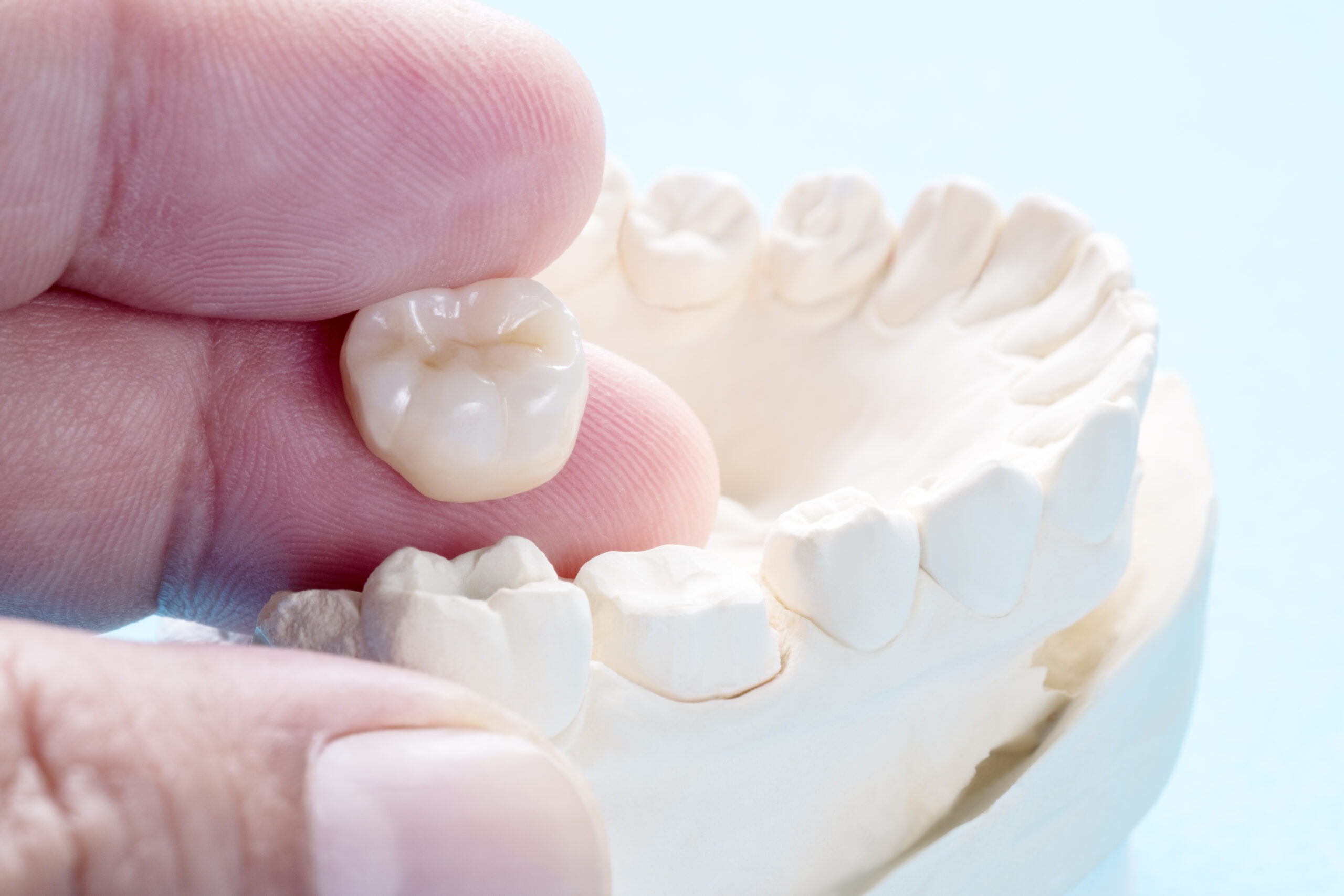
What is a Dental Crown?
A dental crown is a custom-made covering that fits over a tooth to help restore its shape, strength, and function. You might hear people call it a “cap”, but a crown is designed to do more than simply cover a tooth. It helps protect a tooth that has been weakened by decay, cracking, a large filling, or a root canal, while also improving how the tooth looks and bites.
Dentists use dental crowns when a tooth is too damaged for a regular filling to do the job on its own, but the tooth can still be saved. By covering the visible part of the tooth, a crown helps protect the structure from further wear and damage.
In many cases, dental crowns also help restore damaged teeth by making it easier to chew comfortably, supporting the tooth’s structure, and helping patients keep their natural teeth for longer. For families, this can be a reassuring treatment because it is meant to strengthen and protect a tooth rather than remove it.
How Crowns Help Restore Damaged Teeth
Dental crowns help restore damaged teeth by covering and supporting a tooth that can no longer stay strong on its own. When a tooth is weakened by a large cavity, a crack, a root canal, or an older filling, a crown can help hold the remaining structure together and reduce the risk of further damage. It also helps restore normal function, allowing patients to bite and chew more comfortably while protecting the tooth from additional pressure.
In many cases, a dental crown also improves the appearance of a damaged tooth by restoring its shape, size, and colour so it blends in better with the surrounding teeth. This can be an important part of treatment because the goal is often to save the natural tooth, keep the mouth functioning well, and prevent a small problem from turning into a bigger dental issue later on.
Why Do Dental Crowns Fall Out?
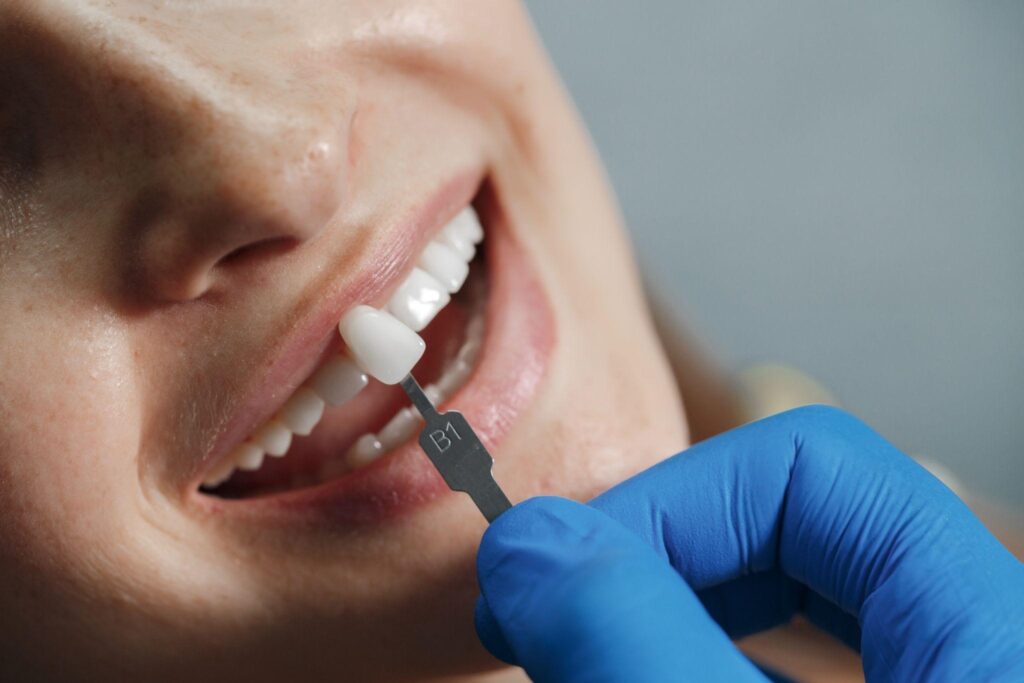
Dental crowns can fall out for a few different reasons, and it does not always mean something has gone seriously wrong. In some cases, it comes down to normal wear over time.
Crowns go through daily pressure from chewing, biting, and grinding, so after years of use, the cement holding the crown in place can weaken. A crown may also come loose if decay develops underneath it, which can change how the crown fits and reduce the support it needs to stay securely attached.
Hard foods and sticky foods are another common cause. Biting into something crunchy or chewing something that pulls can put extra stress on the crown and cause it to loosen or come off unexpectedly. In other situations, the issue may be related to damage to the tooth underneath or to the dental cement itself. If the underlying tooth structure has changed, cracked, or worn down, or if the cement bond has failed, the crown may no longer stay in place the way it should.
Is a Crown That Fell Out a Dental Emergency?
A crown that fell out is not always a severe dental emergency, but it should still be taken seriously. Even if there is not much pain at first, the tooth underneath is no longer as protected as it was before. That can leave it more vulnerable to sensitivity, bacteria, and further damage, which is why it is a good idea to contact a dentist sooner rather than later.
Temporary crowns are not meant to last as long or fit as tightly as permanent crowns, so it is more common for them to come loose or fall out. They are usually placed for a short period of time while a permanent crown is being made, and they are attached with temporary dental cement that is easier to remove later.
When You Should Call a Dentist Right Away
You should call a dentist right away if the area is painful, swollen, bleeding, or showing signs of infection. It is also important to seek prompt care if the exposed tooth feels cracked, very sensitive, sharp, or difficult to protect. In these situations, fast treatment can help prevent the problem from getting worse and make it easier to save the tooth.
When a Fallen Crown May Be Less Urgent
Sometimes a fallen crown may be less urgent, especially if there is little discomfort and the tooth underneath does not appear badly damaged. Even so, it should not be ignored. A crown that has come off still needs to be assessed by a dentist because the exposed tooth can weaken over time, and the crown may not fit properly again if treatment is delayed.
Signs the Tooth Underneath May Need Prompt Attention
There are a few signs that the tooth underneath may need prompt attention. These include pain when biting, visible damage, sharp edges, new sensitivity to hot or cold, or a crown that no longer fits the way it should. For families, the safest next step is usually to book a dental visit promptly so the tooth can be checked before the issue becomes more painful or more complicated to treat.
What to Do Right Away If Your Crown Falls Out
Find and protect the crown
If your temporary or permanent crown falls out, try to find it as soon as you can and keep it in a safe, clean place. Avoid handling it too much, and do not try to force it back onto the tooth. Your dentist will need to examine both the crown and the tooth underneath to see whether the crown can be reused or if another treatment is needed.
Rinse Your Mouth Gently
Once the crown has come off, rinse your mouth gently with warm water to help clean the area and remove food particles or debris. This can also help if the exposed tooth feels sensitive or uncomfortable. Be careful not to scrub the area too hard, especially if the tooth feels tender.
Keep the Exposed Tooth Clean
It is important to keep the exposed tooth as clean as possible while you wait for your dental appointment. Brush gently around the area and try to avoid anything that could irritate the tooth further. Keeping the tooth clean can help reduce the risk of discomfort and prevent more bacteria from building up around the exposed area.
Avoid Chewing on That Side
Until a dentist can assess the tooth, try not to chew on the side where the crown fell out. Putting pressure on the exposed tooth can make the area more sensitive and may increase the risk of further damage. Softer foods and careful chewing on the other side of your mouth can help protect the tooth in the meantime.
How to Clean a Crown That Fell Out
Rinse it carefully
If your crown falls out, rinse it gently with water to remove any food particles or debris. Try not to scrub it hard or use anything abrasive, since that could damage the crown. Warm water is usually enough to clean it safely before your visit.
How to store it before your visit
After rinsing the crown, place it in a clean container or small bag so it does not get lost. Keeping it protected and bringing it with you to your appointment gives your dentist a chance to check whether it can still be used.
What Not to Use on the Crown
Do not use glue, household adhesives, toothpaste, or other products on the crown. These materials can damage the crown and may make it harder for your dentist to place it back properly. It is best to leave the crown as untouched as possible after rinsing and store it safely until your appointment.
Can the Canadian Dental Care Plan Help With Crown Treatment?
The plan covers a wide range of dental services, and the amount covered depends on family income, which means some patients may still have a co-payment or other out-of-pocket costs. The Government of Canada also notes that patients may have to pay additional charges if their treatment costs more than the CDCP-established fees or if they agree to services the plan does not cover.
If a crown falls out, the first step is still to book a dental exam so the dentist can assess the tooth, determine whether the crown can be repaired, re-cemented, or replaced, and explain what part of the treatment may be covered under the CDCP. The plan’s preauthorization process is there to confirm whether services like a new crown, a core, or a post-supported crown will be approved before treatment moves forward, and not every request is automatically accepted.
For families, the helpful takeaway is that the CDCP may support more than just the crown itself. Depending on the condition of the tooth, it may also relate to the support underneath the crown, including a core or post, as well as certain repairs. A dental office can help confirm whether the patient is eligible, whether preauthorization is needed, and what costs may still apply before treatment begins.