Tooth decay is one of the most common childhood health issues, but also one of the most preventable. In kids, cavities can develop more quickly because baby teeth have thinner enamel and are more sensitive to sugar and acid. Children’s cavity issues are very common, and can start even before a child turns two. Understanding how cavities form, what causes them, and how to prevent them can make a huge difference in your child’s oral health.
What Parents Should Know About Their Children’s Cavities
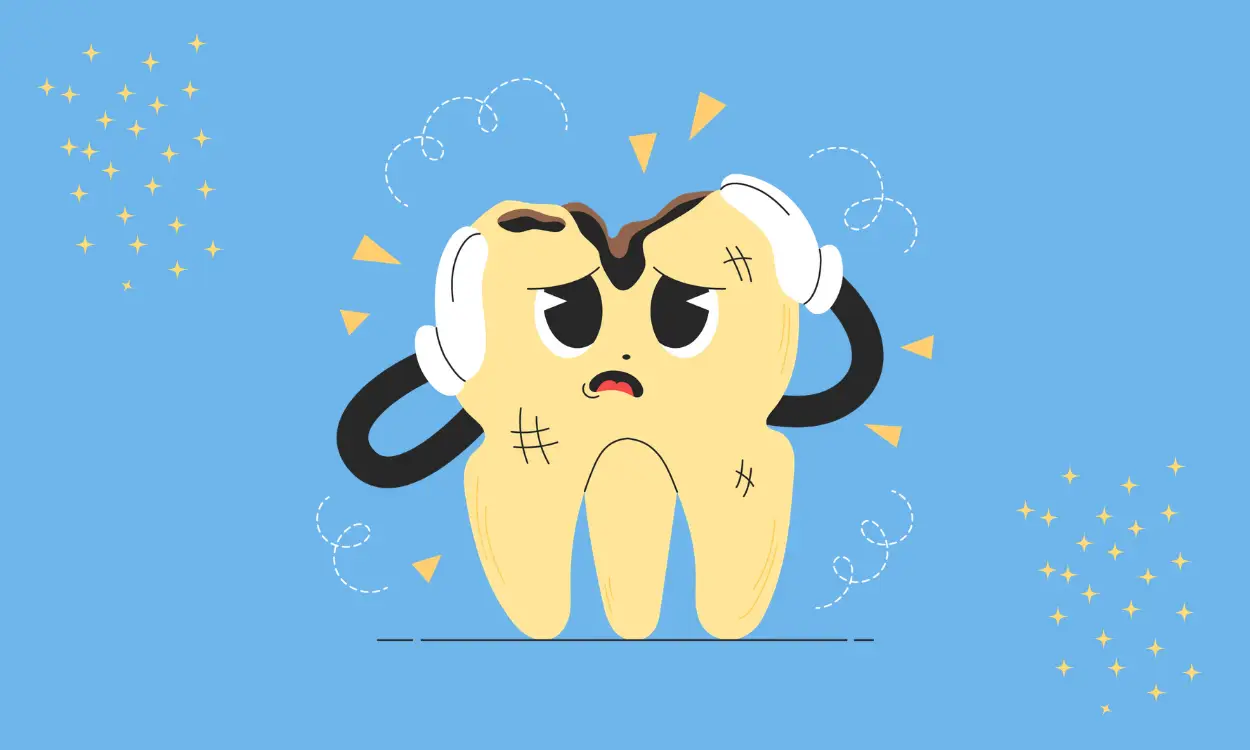
Tooth decay, also known as dental cavities, happens when the hard outer layer of a tooth, called the enamel, is damaged by acidic bacteria. These bacteria live naturally in the mouth but thrive when sugar and starches are present.
In children, cavities tend to form more quickly because
- Baby teeth have thinner enamels
- Kids snack more frequently
- Brushing habits are still developing
- Sugar exposure tends to be high
If left untreated, cavities can spread deeper into the tooth, leading to pain, infection, and long-term dental problems.
What Causes Teeth To Build Cavities?
Tooth decay doesn’t happen simply overnight; it’s a gradual process and usually begins when:
- Sugary or starchy foods stick to teeth
- Bacteria feed on processed sugars
- Acid forms and weakens the enamel
- Small cavities develop over time
Once a cavity starts, it doesn’t heal by itself. As bacteria produce acid, the enamel begins to lose minerals and weaken. Without proper care, the decay grows and becomes more serious. Once it reaches a certain point, it cannot be reversed and requires professional treatment. Knowing the early dental cavity symptoms like tooth sensitivity, dark spots, or discomfort helps parents act before things become worse.
Common Dental Cavity Symptoms in Kids
Recognizing dental cavity symptoms early can help prevent bigger problems. Some signs to watch for include:
- Tooth sensitivity to hot, cold, or sweet foods
- White, brown, or dark spots on teeth
- Pain while chewing
- Swollen or irritated gums
- Bad breath that doesn’t go away
Young children may not always be able to explain what they’re feeling, so changes in eating habits or fussiness during meals can also be warning signs. This includes avoiding certain foods or reluctance to eat, chewing on one side of their mouth, irritability, and disrupted sleep. At early stages, decay may appear as faint white spots on the teeth that are easy to miss without a dental exam.

Dental Recommendations For Cavity Prevention
Preventing cavities isn’t about being perfect, but rather about being consistent. It’s about parents supporting positive oral habits, introducing healthier foods, and regular dental care. Some of these examples are:
Brushing Routine for Kids
Brushing is one of the most effective ways to prevent cavities when done correctly and consistently. Brushing removes plaque, bacteria, and food particles that can produce harmful acids.
Parents should:
- Brush their child’s teeth twice a day
- Use fluoride toothpaste in age-appropriate amounts
- Brush for at least two minutes each time
- Replace toothbrushes every 3-4 months
Children usually need help brushing until the ages of 7 or 8 to ensure all surfaces are cleaned properly.
Why Flossing is Important for Kids
Cavities often form once teeth begin to grow and touch each other. This is when flossing becomes essential. Cavities often start between teeth where toothbrushes can’t reach.
Flossing helps remove trapped food particles, reduces bacteria buildup, helps prevent cavities from becoming worse, and supports healthy gums. Even flossing a few times a week can significantly lower the risk of cavities.
Diet and Its Role in Cavity Prevention
Diet has a huge influence on dental health. Sugary and processed foods provide fuel for bacteria, increasing acid production and enamel breakdown. Common cavity causing food include sweets, juice, sticky snacks, and carbohydrates that cling to teeth for long periods.
The frequency of sugar exposure matters just as much as the amount. Constant snaking gives teeth little time to recover between acid attacks. Encouraging meals with limited sugary snacks between meals significantly reduces cavity risk.
On the other hand, nutrient-rich foods support enamel strength and saliva production. Encouraging balanced meals and limiting sugary snacks between meals can significantly reduce the risk of cavities.
The Importance of Water for Oral Health
Water plays a simple but essential role in protecting children’s teeth. Drinking water helps rinse away food debris and bacteria while also supporting natural saliva flow. When water contains fluoride, it adds an extra layer of protection against decay and supports enamel repair throughout the day.
Encouraging children to choose water is hard, but it is one of the easiest ways to support long-term cavity prevention.
Dental Care and Professional Cavity Prevention
Even with excellent home care, professional dental care is an important part of preventing cavities in children and is essential. Routine visits allow dentists to monitor tooth development, detect early signs of decay, and provide cavity prevention treatment tailored to your child’s needs.
Preventative services such as cleanings, fluoride treatments, and sealants help protect teeth before cavities have a chance to form. It focuses on stopping problems before they start, which is easier, more comfortable, and less costly than treating advanced decay.
When should Children Have Their First Dental Visit?
A child’s first dental appointment should take place by their first birthday or by the time their first tooth appears. Early visits allow children to familiarize themselves with the dental environment and allow parents to receive guidance on brushing, feeding habits, and cavity prevention. These early appointments also make it easier to spot potential issues before they become painful or costly.
Why Baby Teeth Deserve Extra Care
Baby teeth may be temporary, but they play a critical role in a child’s development. They help with chewing, speech, and guiding permanent teeth into the correct position. Cavities in baby teeth cause pain, infections, and future alignment problems if left untreated.
Gums, Bottle Time, and Early Childhood Cavities
Even before teeth appear, keeping an infant’s gums clean helps reduce bacteria in the mouth. Wiping gums after feeding can lower the risk of early decay. Bottle habits also matter. Frequent or overnight exposure to milk or juice can lead to cavities in very young children and may cause alignment problems as their teeth begin to grow, such as crooked or gapped teeth. Using water at bedtime and transitioning away from bottles at the appropriate age can greatly reduce cavity risk.
Cavity-causing bacteria can also be passed from parents to children through shared utensils, cups, or cleaning pacifiers with the mouth. This makes parental oral health an important part of a child’s cavity prevention strategy. Maintaining good dental habits as a parent helps reduce the bacteria passed down to children.
What to Do to Prevent a Cavity From Becoming Worse
When early decay is detected, prompt action can stop it from progressing. Improving brushing and flossing habits, reducing sugar intake, and scheduling a dental visit as soon as possible are key steps in what to do to prevent a cavity from getting worse. Early treatment often prevents pain, infection, and more complex procedures.
Supporting Children’s Oral Health
At 200 Street Langley Dental, we understand that parents want clear guidance, gentle care, and a team that genuinely connects with their child. Protecting your child’s smile is about more than just treating problems when they arise. It’s about building a strong foundation early that fosters healthy oral habits.