Accidents happen all the time, whether it’s during sports, playground fun, or even a simple slip at home. When a tooth gets knocked out, it can be frightening for both kids and adults.
The good news is that quick action can sometimes save the tooth. Knowing how to handle a knocked-out tooth properly can significantly increase the chances of successful treatment.
If your family experiences a dental injury, seeking professional care right away is important. Our team provides prompt treatment for dental injuries through our emergency dental services in Langley.
In this guide, we’ll explain what to do immediately, whether you can save a knocked-out tooth through reimplantation, and what tooth-replacement options are available if the tooth cannot be restored.
What is a Knocked-Out Tooth?
Though it may seem self-explanatory, a knocked-out tooth, medically known as a dental avulsion, occurs when a tooth is completely dislodged from its socket due to trauma. Unlike a chipped or cracked tooth, a knocked-out tooth is entirely removed from the gum and bone that normally hold it in place.
This type of dental injury can especially occur during:
- Physical sports
- Playground accidents
- Accidental slips or falls
- Car accidents
When a tooth is knocked out, the delicate tissues and ligaments that attach the tooth to the jawbone are damaged. The cells on the root surface are extremely sensitive and can begin to deteriorate quickly if the tooth is not handled properly.
Because of this, a knocked-out tooth is considered a dental emergency. Acting quickly and following the correct steps can greatly increase the chances that a dentist can save the tooth.
How to Handle a Knocked-Out Tooth Immediately
If a permanent tooth is knocked out, knowing how to handle it can significantly affect whether it can be saved. The first 30 to 60 minutes after the injury are especially important to increase the chance of a successful treatment.
Find the Tooth and Handle it Carefully
Locate the tooth as soon as possible. In many cases, the tooth may fall onto the ground, clothing, or nearby surfaces. When picking up the tooth, always pick it up from the crown, the chewing surface, rather than the tooth. The root contains the cells needed to reattach the tooth to the bone. Handling the root can damage these cells and reduce the likelihood that the dentist will be able to successfully reimplant the tooth.
Gently Rinse the Tooth if Necessary
If the tooth is dirty, gently rinse it with:
- Milk
- Saline solution
- Clean water for a few seconds
It is important not to scrub the tooth or use soap, as this can damage the root surface. The goal is simply to remove visible dirt while preserving the cells that allow the tooth to reconnect with the surrounding tissues.
Try to Place the Tooth Back into the Socket
If possible, gently place the tooth back into the socket in its normal position and make sure the tooth is facing the right direction. Once in position, the person should gently bite down on a gauze or a clean cloth to help keep the tooth in place and stable while seeking dental care.
Placing the tooth back into the socket quickly helps protect the root and surrounding tissues. This can significantly increase the chances of successful reimplantation of the tooth once you reach the dentist.
Keep the Tooth Moist if You Cannot Reinsert It
If you cannot place the tooth back in the socket, it is important to keep the tooth moist. A dry tooth has a much lower chance of surviving. The best options for storing the tooth include:
- A container of milk
- The person’s saliva
- A tooth preservation kit
Avoid storing the tooth in water because it can damage the root cells over time.
Keeping the tooth moist helps preserve the cells that allow the tooth to reconnect to the bone.
Visit a Dentist Immediately
Even if the tooth has been placed back into the socket, you should see a dentist as soon as possible.
Dental professionals recommend seeking treatment within 30 to 60 minutes after the injury whenever possible. During this visit, the dentist will carefully examine the tooth, gums, and surrounding bone. If you or your child experiences a dental injury, you can contact our dental team here to arrange an emergency appointment.
Prompt dental care gives the best chance of saving the tooth and preventing complications such as infection or damage to nearby teeth.
Can You Save a Knocked-Out Tooth?
Many patients ask their dentist, “Can you save a knocked-out tooth?”
In many cases, the answer is yes, particularly when the tooth is handled properly and treated quickly.
Dentists may be able to restore the tooth using a procedure called reimplantation, which involves placing the tooth back into its socket and stabilizing it so the surrounding tissues can heal.
The likelihood of success depends on several factors, including:
- How quickly treatment occurs
- How the tooth was stored after the injury
- The health of the surrounding bone and gums
- The patient’s age and oral health
In general, the sooner the tooth is treated, the higher the chances that it can be successfully reattached.
What Happens During Reimplantation of a Tooth?
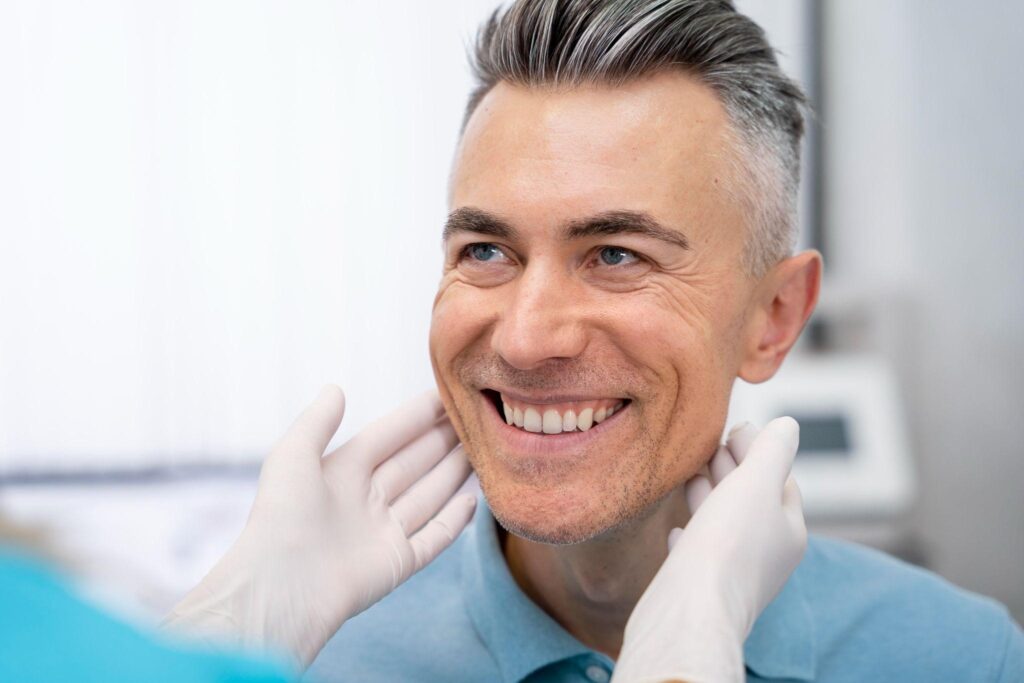
During reimplantation of a tooth, a dentist carefully places the tooth back into its natural position in the socket.
Once the tooth is positioned correctly, it is typically stabilized using a small dental splint. This splint temporarily attaches the tooth to nearby teeth, helping hold it in place while the surrounding ligaments and tissues heal.
In some cases, additional treatment may be required, such as a root canal, particularly if the nerve inside the tooth has been damaged.
Your dentist will monitor the tooth during follow-up visits to ensure that it is healing properly and that the surrounding tissues remain healthy
Tooth Replacement Alternatives if the Tooth Cannot Be Saved
Despite the best efforts to save a knocked-out tooth, there are situations where the tooth cannot be restored. In these cases, your dentist will discuss tooth replacement alternatives that can restore both function and appearance.
Modern dentistry offers several effective options.
Dental Implants
Dental implants are one of the most durable and natural-looking tooth replacement options available. An implant replaces the tooth root with a small titanium post that integrates with the jawbone, supporting a custom dental crown.
Dental Bridges
A dental bridge replaces the missing tooth by attaching an artificial tooth to the neighboring teeth. Bridges can restore chewing ability and maintain proper alignment of surrounding teeth.
Partial Dentures
Partial dentures are removable appliances that replace one or more missing teeth. They are sometimes used as a temporary solution or for patients who may not be candidates for other treatments.
Your dentist will recommend the most suitable option based on your oral health, age, and long-term dental goals.
Canadian Dental Care Plan (CDCP) and Emergency Dental Treatment
If you or your child experiences a dental injury, one of the first concerns many families have is whether treatment will be covered. In Canada, the Canadian Dental Care Plan (CDCP) may help eligible patients access essential dental care, including certain emergency treatments.
Emergency dental care may be covered when the treatment is considered medically necessary. This can include services related to dental trauma, pain relief, or infection control after an injury such as a knocked-out tooth.
However, coverage under the CDCP can vary depending on several factors, including:
- Your eligibility for the CDCP
- The specific treatment required
- Your individual coverage limits
- Whether follow-up treatment is necessary after the emergency visit